A Consultation Is Not a Vote
A council consultation is not a vote: learn how to make a focused response, understand what it can change, and follow the reasoning behind the decision.
What can your answer to a council consultation actually change? A council consultation is not a vote: it gathers evidence, concerns, and local knowledge that may inform a decision, but it does not automatically decide the result. Imagine a council considering later evening hours at a neighborhood library. The distinction becomes practical as residents follow the proposal from its first notice to the final decision.
A proposal gives residents something specific to assess
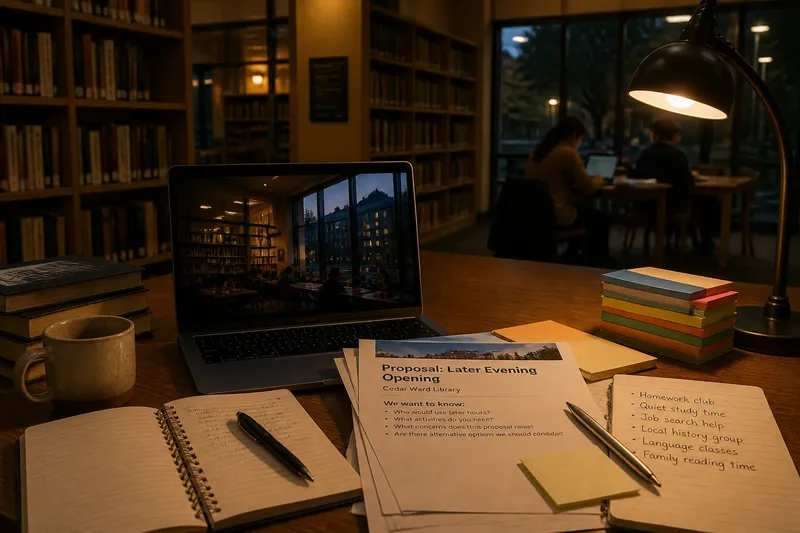
In this invented situation, Cedar Ward Library closes before many residents finish work. The council is considering later evening opening on selected weekdays. The proposal would require staff scheduling and a change in how the library uses its existing budget. No decision has been made.
The council publishes a notice describing the possible hours, why it is considering them, and what it wants to learn. Questions might ask who would use the later hours, what activities they need, and what concerns the proposal raises. Residents cannot respond meaningfully to a vague promise to “improve access”; they need to know what may change.
A consultation is not a ballot on a finished choice. It is an opportunity to contribute relevant information while options are still being considered. The council might ask about the proposed schedule, invite comments on alternatives, or seek views on possible effects. The notice should make clear what is open for discussion and what is not.
Different responses reveal different kinds of evidence
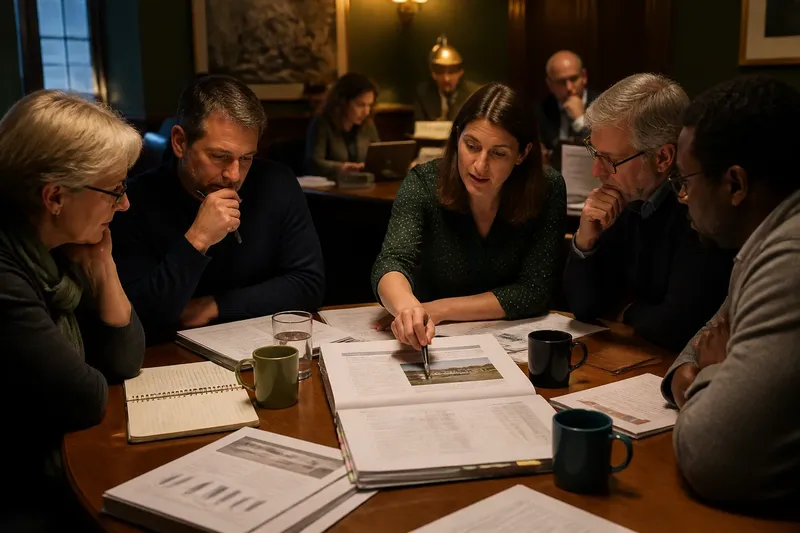
A parent might explain that later opening would make it easier to attend a homework session. A shift worker might say the proposed closing time still leaves too little time for a visit. A nearby resident might raise concerns about noise at closing. A disability access group might point out that the draft overlooks an entrance or service arrangement.
These responses are not interchangeable signals. Some express preferences; others describe a practical barrier, likely demand, or unintended effect. A useful response connects an opinion to the service: who is affected, what happens, and which part of the plan causes the concern.
Responses can also reveal who has not been heard. If most comments come from people who already use the library, the council may need to ask whether non-users knew about the consultation or could take part. That does not make existing responses worthless. It helps decision-makers interpret them without treating respondents as a complete picture of everyone affected.
The council should explain how it will use responses
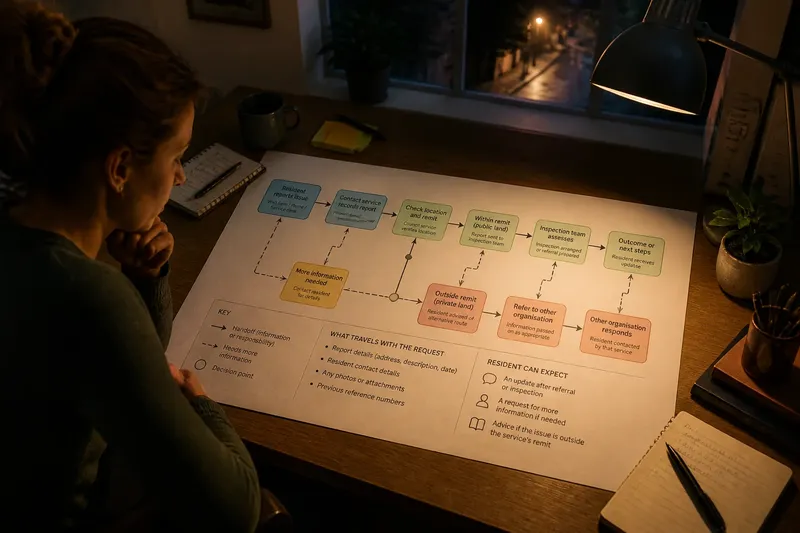
A useful consultation notice tells residents how to reply, what questions are being considered, when responses are due, and what happens afterward. It should explain how comments will be reviewed and whether responses may be summarized publicly. If the council is asking about only one part of a proposal, it should say so plainly.
Suppose the council receives comments about weekday evenings, but several residents also request weekend opening. That suggestion may be relevant even if the consultation focused on weekdays. Officers can assess whether it fits the service aims and staffing arrangements, then explain whether it will be considered now, later, or not taken forward. Listening does not mean every suggestion can be adopted.
Consultation and agreement are different. Agreement means the decision-maker accepts a recommendation or proposed course. Consultation means people have been asked to contribute before a decision is made. Confusing the two can make residents expect a binding result the process never promised—or assume their contribution is pointless when it is not.
What can a consultation response change?
Can a council reject the most popular response?
Yes. A consultation is not necessarily a representative ballot, and the number of supportive or opposing replies does not settle the decision by itself. The council should consider the evidence and explain how it reached its choice through the applicable decision process.
Does every response need to change the proposal?
No. A comment can be relevant without requiring a change. It may show that a concern has been considered, identify a trade-off, or explain why an option is not workable; the council should make that reasoning understandable.
Can residents suggest an option that was not asked about?
Yes. The council can decide whether the suggestion belongs within the current decision or needs separate consideration. A request for weekend library hours, for instance, could prompt further assessment even if the original questions covered weekdays.
How can I tell what happens after I reply?
Check the consultation notice for next steps, then look for later council papers or announcements about the decision. A response summary should show the themes raised and how they were considered, not merely tally views.
Responses can reshape a proposal without choosing the outcome
Imagine the weekday schedule in the invented Cedar Ward situation would end before a regular community activity finishes. Residents point out the clash. The council checks the service arrangements and finds that shifting the proposed closing time could address it. It revises the draft and explains that comments about the activity’s timing prompted the change.
The revised proposal still needs to go through the council’s decision-making process. Staffing, competing needs, and the purpose of the service may remain part of the decision. Consultation has improved the information available; it has not replaced the decision-maker.
Think of responses as notes added to a map, not votes placed in a box. A note can show that a route is blocked or a destination is missing. The person choosing the route still has to weigh that information against the journey’s purpose and constraints.
The final decision should make its reasoning visible
When the council decides, residents should be able to see what was chosen and how consultation informed the choice. In the invented library situation, the final explanation might say that revised weekday hours will proceed, the weekend suggestion will be assessed separately, and another request was not adopted because it fell outside the proposal’s scope. The point is not that every preference wins; it is that the reasoning is clear.
If the decision differs from the response that seemed most common, look for the reasons given, not just the result. The council may have weighed the proposal’s purpose, effects on the service, practical constraints, and comments from different groups. If the explanation is missing or too vague to understand, ask where the decision and response summary are published, or how the council considered the points you raised.
To make your own council consultation response useful, identify the part of the proposal you mean, describe the effect you expect, and give a reason or workable alternative if you have one. Keep a copy of what you sent and note the stated next step. A specific, grounded response gives decision-makers something clearer to weigh—and gives you a better basis for judging whether they did.